

























How to Layer Lighting in Your Living Room for a Warm, Luxury Feel

Lighting is the unsung hero of luxury interior design. You can invest in imported Italian marble, handcrafted teak furniture, and plush velvet upholstery, but without a thought-out lighting design, your living space will fall flat. High-end luxury residences rarely rely on a single, harsh central ceiling light. Instead, top interior designers use layered lighting to add depth, warmth, and visual texture.
By combining different light sources at varying heights and intensities, you can transform your living room into an inviting sanctuary. Here is your step-by-step professional guide to layering living room lighting like a designer.
—
The 3 Core Layers of Architectural Lighting
To achieve a balanced ambiance, every luxury living room requires three distinct layers of illumination: Ambient, Task, and Accent.
1. Ambient Lighting (General Illumination)
Ambient light provides the foundational illumination of the room, substituting for natural daylight. Rather than using bright, bare bulbs, luxury ambient lighting relies on diffused, soft illumination. Think architectural cove lighting, recessed ceiling spots with deep anti-glare trim, or a statement chandelier.
- Recommended Fixture: Statement Brass Chandelier [VIEW THIS LIGHTING FIXTURE HERE]
2. Task Lighting (Functional Illumination)
Task lighting is targeted light designed to help you perform specific activities such as reading, writing, or enjoying board games. It should be bright enough to prevent eye strain without disrupting the room’s overall cozy mood.
3. Accent Lighting (Visual Texture & Drama)
Accent light draws attention to focal points, such as artwork, textured wall cladding, bookshelves, or architectural columns. A well-designed living room uses accent lighting to create high-contrast shadows and highlights, giving the space a three-dimensional luxury resort aesthetic. Use adjustable spotlighting or LED strip profiles inside display cabinets for maximum impact.
—
Where to Place Tall Standing Floor Lamps for Maximum Impact
Floor lamps are exceptionally versatile elements because they provide both task illumination and visual balance across the vertical plane. Placing them incorrectly, however, can make a room feel cluttered.
- In Empty Corners: Unused living room corners often create dark dead zones. A tall arc lamp or an up-lighter in a corner reflects light off adjacent walls, instantly making the room feel larger.
- Beside Accent Chairs: Position an adjustable floor lamp slightly behind and to the side of a lounge chair. This creates an inviting reading nook while anchoring the furniture grouping.
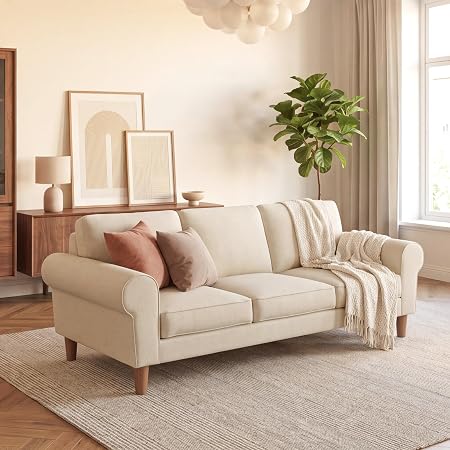
- Flanking Large Indoor Plants: Placing an up-lighting floor lamp behind a tall potted plant (like a Fiddle Leaf Fig or Areca Palm) casts striking, organic leaf shadows across walls and ceilings, creating an organic luxury aesthetic.
- Recommended Fixture: Sculptural Architectural Floor Lamp [VIEW THIS LIGHTING FIXTURE HERE]
—
Table Lamps vs. Wall Sconces: Elevating Surfaces and Walls
When detailing side tables, console units, or adjoining bedroom nightstands, choosing between table lamps and wall sconces comes down to surface space, architectural permanence, and style.
Table Lamps: Classic Elegance & Flexibility
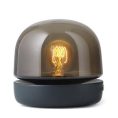
Table lamps offer portability and introduce rich textures—such as ceramic, alabaster, or blown glass—at eye level. They ground side tables and create cozy pools of soft light.
- Best For: Rented luxury homes, flexible seating layouts, and wide side tables with ample surface area.
- Drawback: They consume valuable table space and require nearby floor outlets.
Wall Sconces: Modern Architectural Precision
Hardwired wall sconces deliver a sleek, hotel-suite feel. They free up surface area on bedside nightstands or living room console tables while acting as wall art in their own right.
- Best For: Compact spaces, floating furniture layouts, and clean minimalist interiors.
- Drawback: Requires pre-planned electrical conduit placement inside walls.
- Recommended Fixture: Modern Minimalist Wall Sconce [VIEW THIS LIGHTING FIXTURE HERE]
—
Warm White vs. Cool White Guide for Indian Homes
Selecting the correct light color temperature (measured in Kelvin) is critical for home interiors. Indian homes often feature rich wood elements like teak and rosewood, warm marble, brass accents, and vibrant textiles.
Warm White (2700K – 3000K): The Luxury Standard
For living rooms and bedrooms, 2700K to 3000K warm white is the gold standard. Warm light enhances natural wood grain, brings out the golden tones in brass hardware, and promotes relaxation by encouraging melatonin production in the evenings.
Neutral White (4000K): Functional & Crisp
Neutral white light mimics midday sun. It is suitable for utility areas, walk-in closets, and modern minimalist kitchens, but can feel overly clinical if used as the primary light source in a cozy living room.
Cool White / Daylight (6500K): Avoid in Living Spaces
Cool white light (6500K) cast blue-toned, harsh illumination. While popular in commercial offices, it strips natural warmth from wood, stone, and warm paint hues. Avoid 6500K bulbs in residential living spaces if you want a warm, inviting atmosphere.
- Recommended Fixture: Dimmable Smart LED Downlight (2700K-4000K) [VIEW THIS LIGHTING FIXTURE HERE]
—
Final Takeaways for Living Room Lighting Design
- Always Install Dimmers: Dimmers give you total control over the atmosphere, letting you transition easily from bright daytime hosting to cozy evening relaxation.
- Mix Light Heights: Combine ceiling recessed lights, mid-level wall sconces, eye-level table lamps, and floor lamps to avoid flat, single-layer lighting.
- Stick to Warm Temperatures: Keep your living room light bulbs between 2700K and 3000K to highlight natural materials and maintain an inviting atmosphere.